Two weeks ago I was starting to go through my September elk kit. Archery tag, Arizona, hot country. I've been packing for hunts for years and my list was green. Shelter, quilt, water, kill kit, all of it checked off.
No fire starter in my pack.
Not a lighter, not a ferro rod, nothing. It wasn't on the list, so no list was ever going to catch it. And that's the smaller half of the problem. The bigger half is the stuff that WAS on the list. My water carry was checked off too. Checked off doesn't tell me if 3 liters actually covers the dry stretch I'm hunting, and in September Arizona that's the question that matters.
A packing list tells you what you have. It can't tell you whether any of it will hold up out there, or whether the plan actually adds up. Those are different questions. The second one is the one that ends trips.
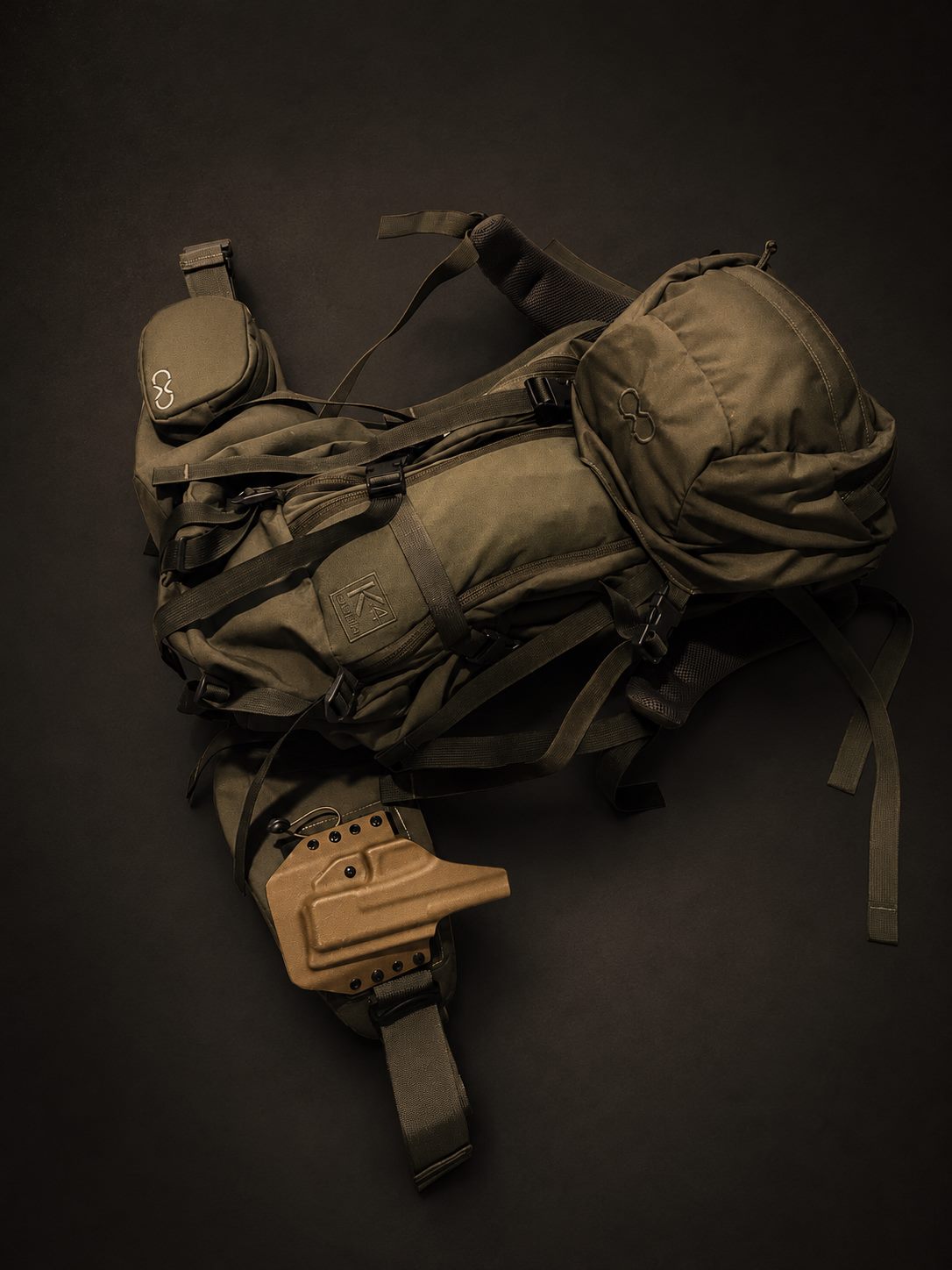
Packing checks presence. Readiness checks fitness and math.
A checklist verifies one thing: the item exists and it's in the pile. That's it. That's all a checkbox can do.
It doesn't know if the headlamp batteries are dead. It doesn't know your boots have 4 miles on them and the hunt is 40. It doesn't know your bag is rated for 20 degrees and the forecast low is 55, or the other way around. It doesn't know whether 3 liters of water is plenty or a real problem, because that depends on the country, not the bottle.
Readiness is two checks a list can't make:
- Each item is actually ready for this trip. Present, working, and right for these conditions.
- The plan's numbers hold. Enough water for the dry stretch. Enough food for the days. Enough fuel for the meals. Layers that match the real forecast, not the season in your head.
The gap between packed and ready hides well, and I think I know why. A checked box feels like done. The pack is heavy, the list is green, and your brain files the whole thing under handled. I've loaded the truck feeling completely dialed and been wrong. Most guys I hunt with have the same story, they just file it under bad luck.
It's not bad luck. It's a list doing exactly what a list does, and nothing more.
I am the first one to rush to watch a new gear dump video, but there are three questions a gear list can't answer
When I check a trip now, I run every category through three questions. Sleep system, water, food, navigation and safety, weapon or race kit, doesn't matter. Same three questions.
1. Is each item actually trip-ready?
Present is not the same as working, and working is not the same as right for the conditions.
My first backpack elk hunt was in Colorado at ~10,000 feet. That's a bad time to realize that my boots weren't as waterproof as I thought they were. Soaked socks, soaked boots, non-stop rain for 3 days. Take it from me that wet feet can absolutely ruin a hunt, especially when it's cold. Ask my buddy Mike, he won't let me live it down.
The pattern is always the same. The item made the list, the list got checked, and nobody asked the follow-up. Is it charged. Is it sighted in. Is it broken in. Has the filter actually been run since last season. Is the bag rated for the real overnight low, and I mean the real number, not the marketing comfort rating that assumes you sleep warm in a puffy.
Trip-ready is a harder bar than packed. And it's supposed to be.
2. Does the plan's math hold?
This is the one that almost got me for September, and it's the one nobody's list even attempts.
My water carry for the elk hunt is about 3 liters. Is that enough? The list says yes, water is checked. The math says it depends entirely on the longest stretch between reliable water on the route. Three liters against a short morning loop is plenty. Three liters against 8 dry miles in September heat is a problem you find out about at the worst possible time. Same gear, same checkbox, completely different answer.
Consumables scale and gear doesn't. A tent is a tent for 2 days or 6. Water, food, and fuel multiply by days and miles, and a checklist is structurally blind to multiplication. Four days of food on a 6 day hunt is a green checkbox and a genuine emergency at the same time.
Runners deal with the same thing in a different shape. A drop bag with gels in it is a checked box. Whether those gels cover the carbs per hour across the hours between aid stations is arithmetic, and plenty of races have come apart on arithmetic while the checklist looked perfect.
The math can also clear you. My 20 degree quilt on a 60 degree desert night has more margin than I will ever need, so that's a place I can stop worrying and even trim. Running the numbers doesn't just catch shortfalls. It tells you where you're already covered, which is worth almost as much.
3. Is it staged where it needs to be?
Right gear, wrong place, not ready.
Elk hunting out of a truck camp, my gear lives in three places: the truck, the pack, and on my body. The kill kit that's in the truck when the elk is down 2 miles from the truck is technically packed. So is the headlamp in the bin at camp when you're tracking blood at dark. Many of us know how fun it is using your phone to light the way in the dark. On a race it's the warm layer sitting in the mile 60 drop bag when you go cold at mile 45.
Staging is a readiness question, not a tidiness question. Every item needs a location decision, and the location has to match the moment you'll actually need the thing. A list with 60 green checkboxes says nothing about whether any of them are in reach when it counts.
"What am I forgetting?" is the wrong question
That's the question everyone asks the night before. I've typed it into Google myself.
It's the wrong question because forgetting is only one of the three ways this goes sideways, and honestly it's the easiest one to catch. The fire starter missing from my September kit, fine, that's a forgetting problem, a good list helps with that.
But those boots that soaked through in Colorado were never forgotten. They were packed. The short water plan was never forgotten either. Water was on the list and in the pack. You can pass the "did I forget anything" test with a perfect score and still walk into the desert a liter and a half short.
The better question is: will everything I packed actually hold up, and does the plan add up? Ask that one and the forgotten stuff falls out in the process anyway, because you're going category by category instead of staring at the pile trying to feel what's missing.
How to run a readiness check with a notebook
You don't need an app for this. Here's the whole method.
The night before you pack, not the night before you leave, take your categories one at a time. Shelter and sleep. Water. Food and fuel. Navigation and safety. Weapon and kill kit, or race kit. Clothing. For each one, ask the three questions out loud:
Is each item here, working, and right for these conditions?
Do the numbers hold? Liters against the dry stretch. Calories against the days. Fuel against the meals. Layers against the actual forecast (and some extra gotcha pieces), which you pulled today, not the one you remember from last year.
Is each thing staged where I'll need it? Truck, pack, body, drop bag.
Write down every gap, then fix or consciously accept each one. Accepting a risk on purpose is fine. I do it every trip for the sake of saving weight, time, or money. Ounces against margin is the whole game. The difference between an accepted risk and a surprise is that you chose one of them.
I'll be straight about the weakness of doing this by hand: consistency. The method is simple but it's tedious, and it gets skipped exactly when you're most rushed, which is exactly when you need it most. The math is the first casualty. Nobody's re-deriving liters per mile at 11pm the night before a hunt. I know because I didn't.
This is the whole reason Kairn exists
I did this check with spreadsheets and notes apps for years, across hunts, an ultra, and backpacking trips. The spreadsheet knew what I owned and nothing else.
So I built Kairn to run the three questions for me and tell me the truth:
- Your whole kit lives in one place with real weights, so "present" is automatic instead of a memory exercise.
- A readiness audit checks your gear against the trip you actually entered, the temps, the dry stretch, the days, and shows its evidence for every finding instead of a vibe.
- One honest readiness score. It never hides a real gap and it will never tell you you're safe, because no app can know that. It flags what it can see.
- Staging is built in. Truck, pack, on-body, and it knows the difference.
That missing fire starter at the top of this piece? My own app caught it. Then it told me my quilt was overkill and my water math was the thing to watch. It was right on all three, which is exactly the job.
It's free to start at kairn.us. Built in the open by a guy who loves this stuff and who has learned the hard way many times that being prepared allows you to focus on the adventure at hand.
The 3-question pre-trip check
Screenshot this and run it on your next trip:
Before you go, run every category through three questions:

1. TRIP-READY?   Here, working, and right for these conditions?
                 (charged, broken in, sighted in, filter actually run,
                 bag rated for the real low)

2. DOES THE MATH HOLD?   Liters vs the dry stretch. Food-days vs the days out.
                 Fuel vs the meals. Layers vs the real forecast.

3. STAGED RIGHT?   Truck vs pack vs on-body vs drop bag.
                 Where will you be standing when you need it?

A green checklist answers none of these.
That's the gap between packed and ready.
A full pack isn't the goal. A ready one is. Run the three questions before the trailhead, every time.
Kairn is your readiness platform for serious trips — track your kit, plan the trip, and know you’re actually ready.
Try Kairn → kairn.us